
Choosing the stone is only part of the design process. The finish can completely change how that stone looks, feels, and interacts with the rest of the room.
The same marble can feel crisp and glamorous when polished, soft and architectural when honed, or organic and tactile when leathered. Beyond aesthetics, the finish can also affect how visible veining appears, how the surface reflects light, and how it responds to everyday use.
At Short Hills Marble & Tile, we think the finish should be considered just as carefully as the stone itself. Here’s what you need to know before choosing between polished, honed, and leathered.
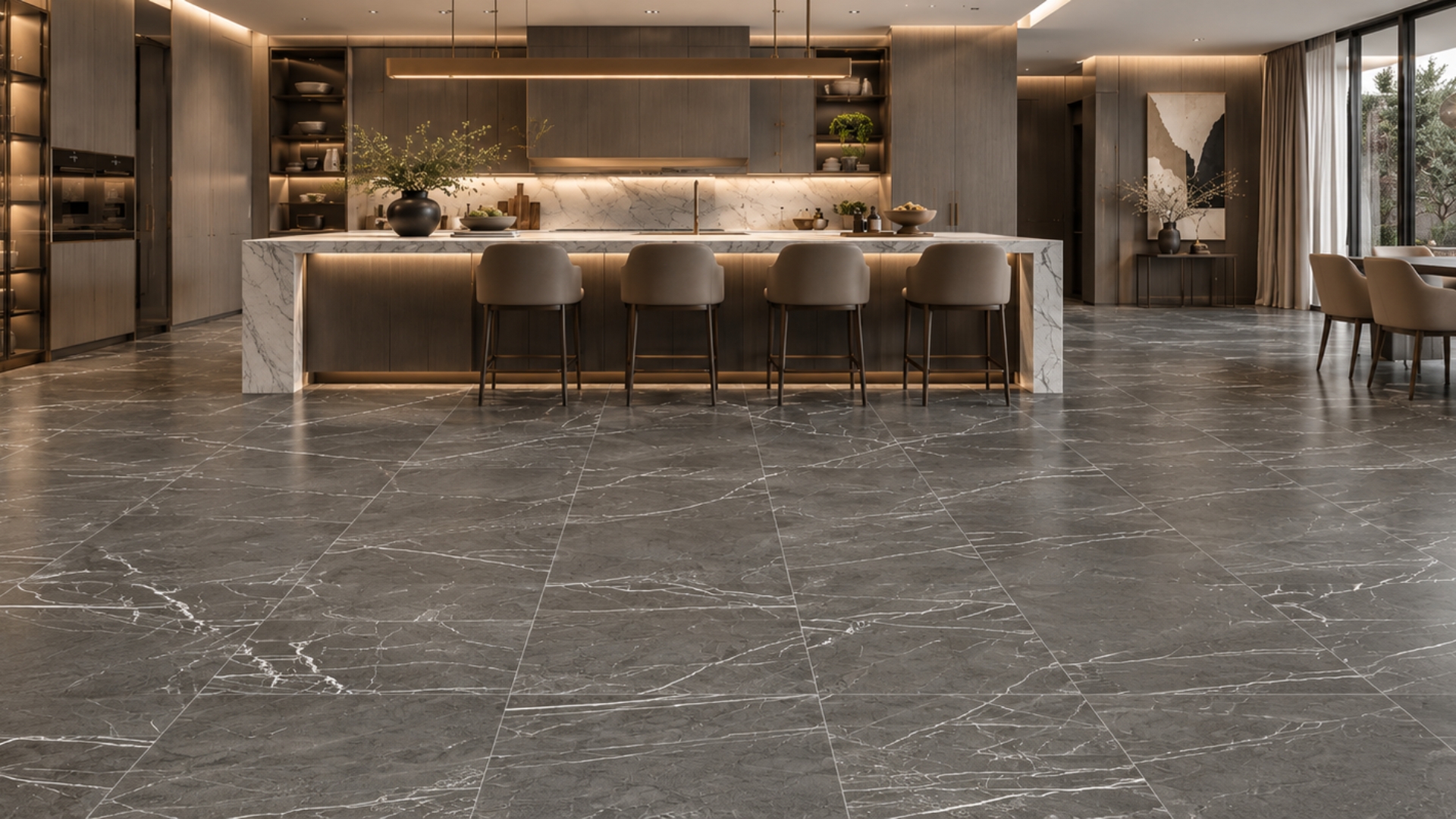
Leathered: Textural, Organic & Unexpected
Leathered stone is for anyone who wants to feel the material as much as see it. Rather than being completely smooth, a leathered finish has subtle texture across the surface. It is typically created by working a honed surface with diamond-tipped brushes, which interact differently with the individual minerals within natural stone. The result is a surface with small contours, movement, and texture unique to the particular stone.
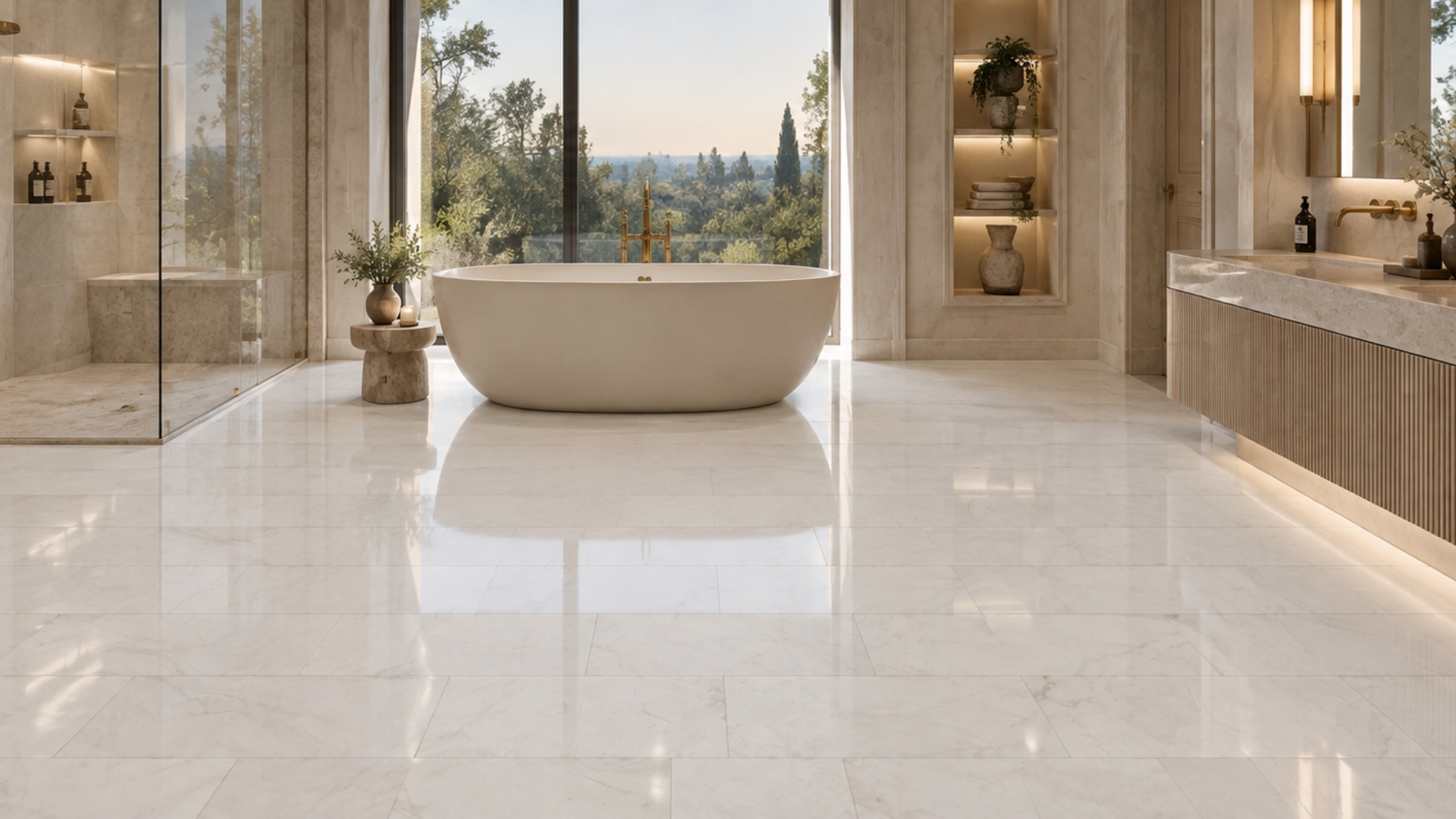
Polished: Bright, Reflective & Timeless
A polished finish is probably what comes to mind when you picture classic marble. The surface is worked with progressively finer abrasives until it becomes smooth and highly reflective, bringing out the stone’s color, contrast, and natural veining. From a design perspective, polished stone has a luxurious presence. Because it reflects light rather than diffusing it, polished marble can make a room feel brighter and more elevated. The finish also tends to emphasize the contrast within the stone, making dramatic veining and color variation more noticeable.
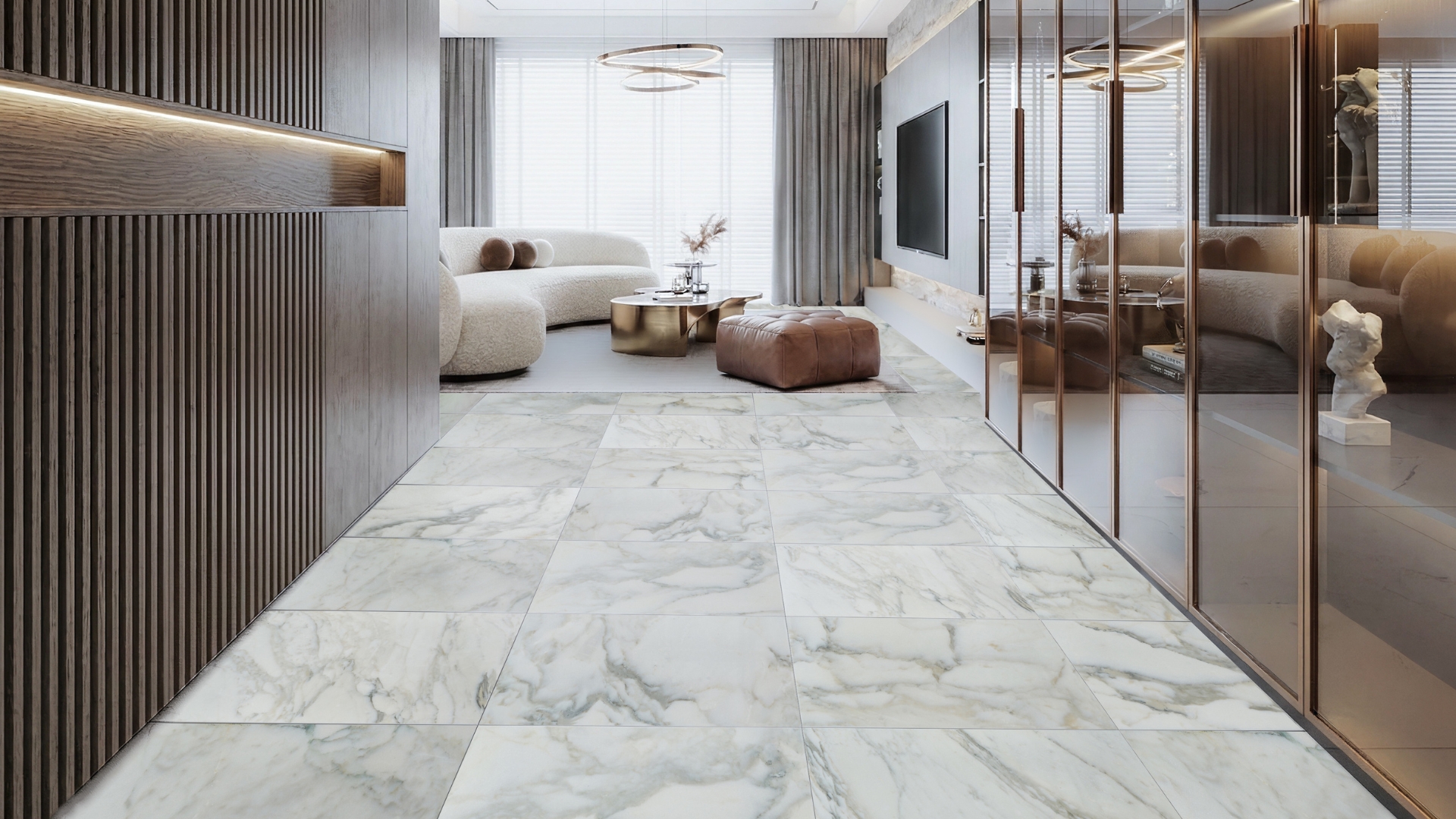
Honed: Soft, Matte & Effortlessly Modern
If polished stone is all about reflection, honed stone is about softness. A honed finish is smooth to the touch but has little to no shine. Instead of bouncing light back into the room, the surface diffuses it, giving the stone a quieter, more understated appearance. The process can also soften the visual contrast between the background of the stone and its veining.
This is one of the reasons we love honed marble in design-forward interiors. The material has a stunning, architectural feel without needing to be glossy.
Pair honed stone with warm woods, unlacquered brass, plaster walls, textured fabrics or tonal cabinetry and it immediately feels intentional. It also works beautifully in spaces where several natural materials are being layered together because the matte surface doesn’t compete for attention.
NOTE: Honing can leave natural stone more absorbent than a polished surface, so proper sealing and maintenance are especially important!
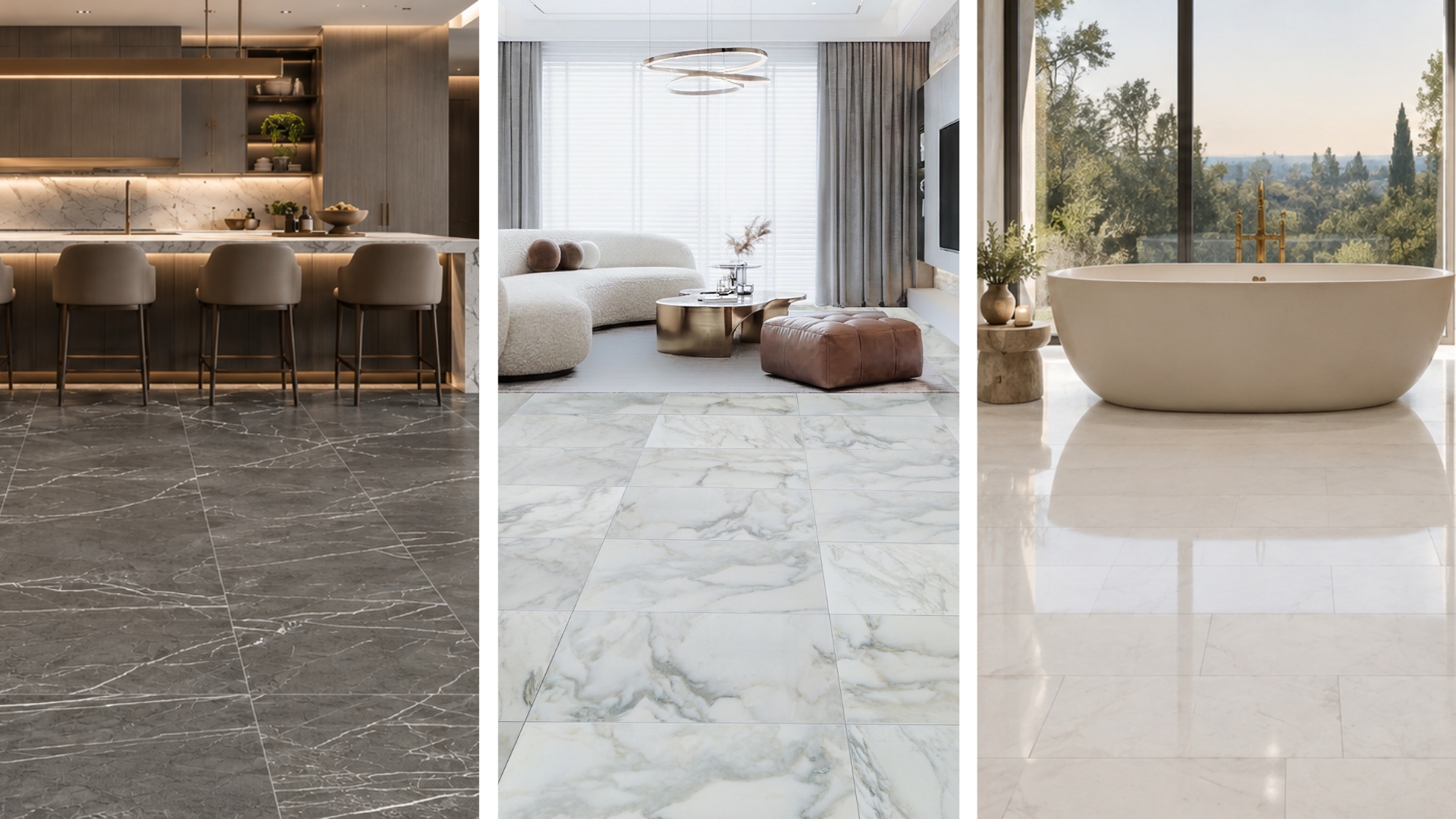
How to Know Which is Right For You?
The right finish comes down to how you want your space to feel and how you actually live in it. If you love a brighter, more classic look that highlights the color and movement of the stone, polished may be the way to go. For something softer, more relaxed, and quietly luxurious, honed offers a beautiful matte finish. And if texture and natural character are what draw you to stone in the first place, leathered brings an organic, tactile quality that feels unique.
Still unsure? Seeing and feeling the finishes in person can make all the difference! Visit Short Hills Marble & Tile to explore the options side by side and let our design team help you find the stone and finish that feels right for your space.
0 Comments for “Leathered vs. Honed vs. Polished: What’s the Difference?”